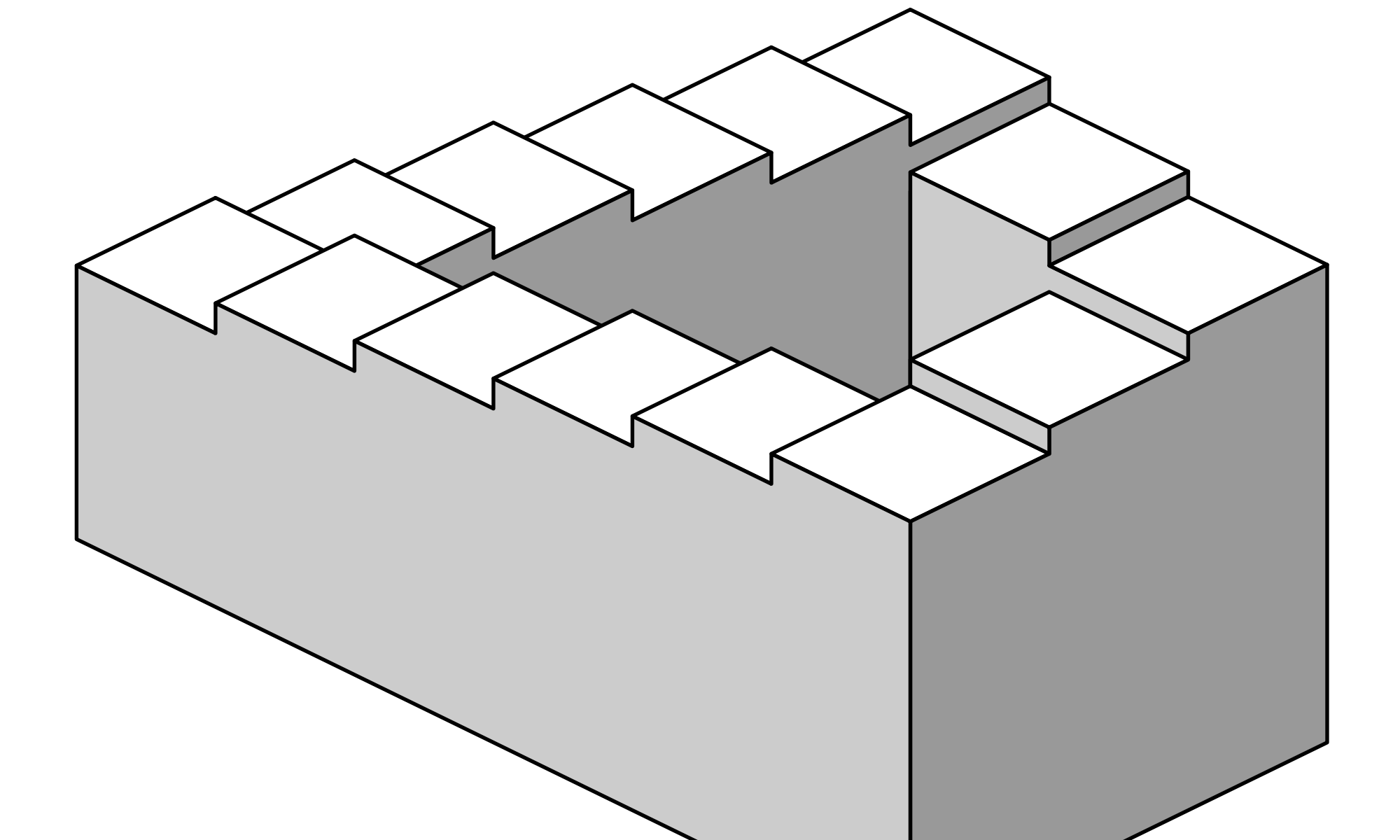
Throughout this semester, and the duration of the course, I have greatly expanded my knowledge of African American literature and its importance. I walked into this course with very minimal knowledge of anything that would come out of this class. As a class, we had many collaborative discussions which have deepened my understanding of several concepts, including recursion, repetition, and the importance of collaboration.
Ron Eglash explains in his book African Fractals that the concept of a seed shape is crucial for understanding African design and culture. A seed shape is a basic geometric form that has repetition in African patterns, resulting in the creation of intricate designs. In The Water Cure by Percival Everett, we can see a similar pattern. The story starts with simple elements and gradually builds upon them, becoming more complex as we read. This progression is like the growth of a plant from an actual seed, which helps in illustrating how stories, like African designs, can be built upon a simple foundation to create something rich and layered. In addition to the text itself being comparable to a seed shape, and even theoretically to a real seed, the fact that we ended with this text is a seed shape of this course itself. Using The Water Cure by Percival Everett as the final text we tackle is important due to the fact it is a culmination of concepts we’ve spoken of (including repetition/recursion). Though it does not particularly engage with past texts, the piece is a good through-line of what we have done up to this point, as Professor Beth McCoy continuously notes throughout this course, that we are looping back to past content every module. In the first pages of The Water Cure, we see Ishmael spiraling, being that this piece is, in fact, a revenge narrative. This sense of spiraling and a bit of insanity is an idea that continues throughout, but increasingly makes more sense as we read.
Regarding African Fractals, The Water Cure, and recursion, both works exhibit a commonality in their use of it. In African Fractals, recursion is depicted as one shape serving as the foundation for the next, seamlessly repeating and continuing the patterns. I can rationalize the comparison of recursion to repetition because it helps me understand. This repetition is the act of doing something again (in this case, repetition of the seed shape from one to another for African Fractals). This comparison helps emphasize the relationship between recursion and repetition and how such complex and interconnected patterns also relate to the development of the story in The Water Cure. For example, on page 53 of the PDF of The Water Cure, “It is the dissymmetry in the natural world that creates beauty, the fact that a thing cools down, but will never heat up without an input of energy, that a rock will stop rolling, but will not start without an input of energy, that the days lose meaning and will not mean anything new without an input of energy.” I feel like this is an interesting quote (and a longer one) to focus on as this quote itself lacks symmetry, physically, making it dissymmetrical.
Next, to turn to our final module in English 337, African American Literature. Professor Beth McCoy has organized the modules of this course to tie into not only the content tackled in the said module but also tying it to the ones before it. This final module, module 7, entitled “Endings that aren’t endings” greets us with a big photo of a colorful infinity sign. In the bio of this module, Beth states that we will be returning to the beginning of the course. This module being a photo of an infinity sign reinforces my thoughts that not only does this class build upon itself, but also everything connects. We began this semester with our first module, which the bio says “You’ll be constantly looping back to previous modules and concepts even as the course moves forward.” (McCoy, 2024). This first module, without the knowledge of any content to come, already formed that infinity sign in my head, unbeknownst to me when this course began.
Reflecting on in general, my semester through this class, I have learned the benefit of collaborations in other disciplines than the one I am familiar with, for example, I am an education major and collaboration in those courses is different from what I have done in this class. Participating in collaborations with my peers has been key to my success in this class, and I felt positive about collaboration opportunities from day one before any had taken place. I felt so confident in my abilities and opportunities to collaborate due to Beth’s voice in modules. By ‘voice’ I mean, for example, “As part of processing critical issues such as that seemingly minor one, you’ll get to talk with each other in large groups and small groups. You’ll get to write anonymously. You’ll get to write publicly. You’ll get to write collaboratively as well as independently. Yes: you’ll get to do these things because they are precious opportunities” (McCoy, 2024). Beth could have simply given us the robotic typical class introduction like ‘We will be doing group work in this class’, but, she did not. I believe my confidence and success in this course also stem from how Beth presented the course from day one and continued to till the end. Calling collaboration a “precious opportunity” rather than just… collaboration, means so much more than just saying it. Through mature collaborative discussions with my peers, I have seen new insights and perspectives, which led me to see the richness and complexity of African American literature. By working with my classmates this semester, I have gained a deeper understanding of the material provided, and given confidence and kind people who help me understand things I may not have understood the first time I read them. The power of collective and collaborative learning is one thing that has helped me soar in this course. Overall, throughout exploration of Percival Everett’s The Water Cure and the concept of recursion of African Fractals by Ron Eglash, I was able to delve deep into collaborative conversation and see the depth of African American Literature. This course has not only expanded my understanding of the texts but has also deepened my appreciation for the power of collaboration and diverse perspectives. Professor Beth McCoy’s thoughtful course design, emphasizing the recurrence of themes and concepts, has further played a part in my understanding of the course, and my newfound appreciation for thoughtful collaboration with my peers.